Regenerative Soil Diagnostics · READ Landscapes

Know what
your soil
is telling you

A diagnostic tool built on the Five M's framework. Enter your lab data, get a clear biological picture — and an action plan that works with your soil, not against it.

5
Integrated M's
10
Consilience checks
3
Output modes

Regenerative polyculture landscape, Central Virginia
Central Virginia · Summer polyculture
Biology first
Unlock before you add
Logan Labs + PT2
microBIOMETER integration
Never add soluble P
Consilience engine
Five M's framework
Regenerative diagnostics
Biology first
Unlock before you add
Logan Labs + PT2
microBIOMETER integration
Never add soluble P
Consilience engine
Five M's framework
Regenerative diagnostics

The Tool

A diagnostic, not a prescription

Most soil reports hand you a list of products. Soil Savvy hands you a picture — of what's locked, what's alive, what's missing, and what to do about it in the right order.

How it's different

Conventional soil analysis looks at available nutrients and tells you what's missing. The problem: most "deficiencies" aren't deficiencies at all. The minerals are there — they're just locked up, and biology is the key.

Soil Savvy pairs Logan Labs available nutrients with PT2 total reserve data, layered with microBIOMETER biology readings and field observations. The consilience engine cross-checks all inputs — and tells you what's actually going on.

Pairs available + total reserve data to reveal lockup
Biology-first — understand the community before adding inputs
Flags contraindicated inputs (soluble P, excess solubles)
Three output modes: Client, Consultant, Learning
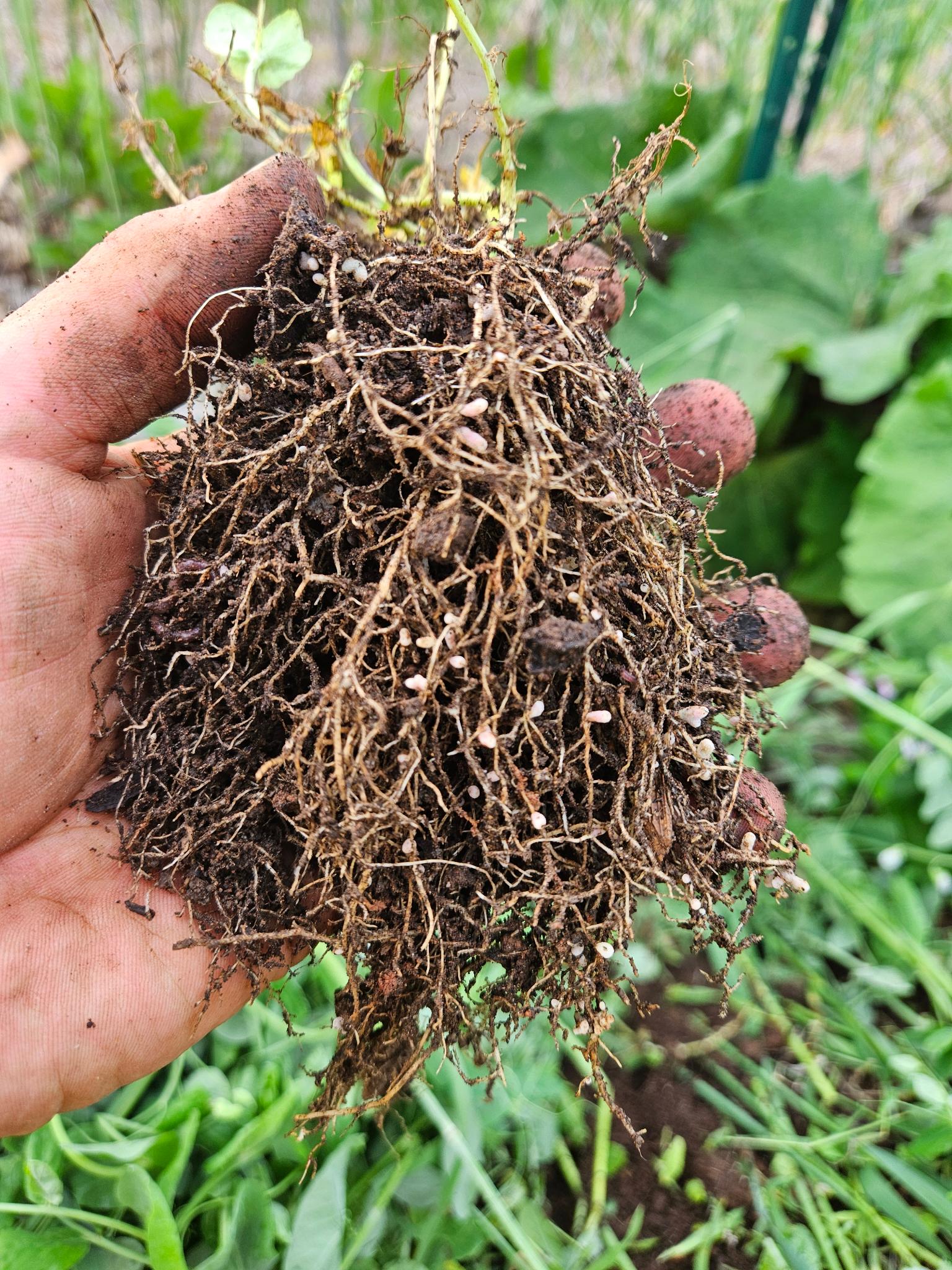
Field pea root nodules showing active nitrogen fixation
Field pea root nodules — active nitrogen fixation. What the numbers can't show you.
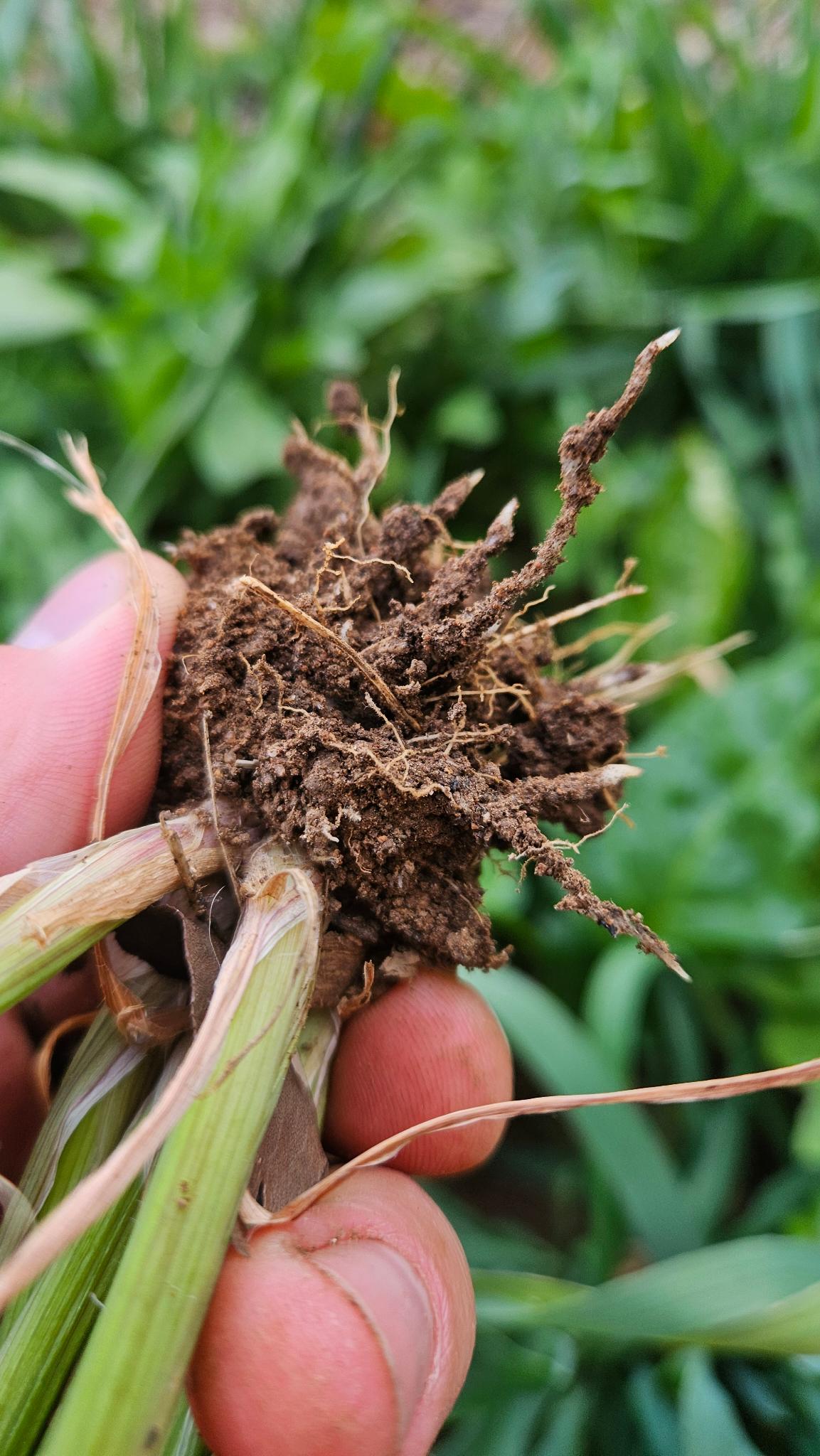
Rhizosheath on oats
Rhizosheath · Oats
Soil aggregation around the root zone — the biology at work
Intercrop diversity
Intercrop diversity
Multiple root architectures feeding different biological niches
Market garden rows
Market garden · Virginia
The outcome of soil health done right

The Framework

The Five M's
by Nicole Masters

Every diagnosis moves through five layers — in order. Not because the order is arbitrary, but because each M depends on the one before it.

01
M
Mindset
Observation before conclusion. Complete the picture before interpreting it. Data without context is noise.
02
M
Management
The lever you control. Disturbance timing, rest periods, grazing intensity — the soil responds to all of it.
03
M
Minerals
Availability vs. reserves. Most "deficiencies" are lockup. Unlock what's there before adding more.
04
M
Microbes
The workforce. Biomass, F:B ratio, fungal dominance — the community character determines what moves and what doesn't.
05
M
Organic Matter
The lag indicator. Changes slowly. A positive trend means everything else is compounding correctly.

How It Works

Four steps to a full picture

1
Enter site context
Land use, management history, topographic position, drainage. The numbers only mean something with context.
2
Input lab data
Logan Labs available + PT2 total reserves. Side-by-side comparison reveals what's locked vs. what's genuinely missing.
3
Add field readings
microBIOMETER biology, penetrometer, slake test, EC, Brix. The physical picture consilient with the chemical one.
4
Read the dashboard
Five M's triage with an action plan in the mode you need — plain language for clients, full technical for consultants.
"The biology is the engine. The minerals are the fuel. Management determines whether the engine runs — or sits in the driveway."
Mark Angelini · READ Landscapes · getsoilsavvy.com

Get Started

Start with what's already there

The Soil Savvy Analyzer is a single-file diagnostic tool — no account, no subscription, no cloud required. Built for regenerative consultants and the farmers they work with.